Showing posts with label Pharmacology. Show all posts

Research: Prehospital Pain Management

Check this out...

I'm not sure why IV Fentanyl wasn't compared to Morphine, but the study is interesting none-the-less.

Prehosp Emerg Care. 2010 Oct-Dec;14(4):439-47. [Pubmed]
Effectiveness of morphine, fentanyl, and methoxyflurane in the prehospital setting.

Middleton PM, Simpson PM, Sinclair G, Dobbins TA, Math B, Bendall JC.


Abstract
Abstract Objective. To compare the effectiveness of intravenous (IV) morphine, intranasal (IN) fentanyl, and inhaled methoxyflurane when administered by paramedics to patients with moderate to severe pain. Methods. We conducted a retrospective comparative study of adult patients with moderate to severe pain treated by paramedics from the Ambulance Service of New South Wales who received IV morphine, IN fentanyl, or inhaled methoxyflurane either alone or in combination between January 1, 2004, and November 30, 2006. We used multivariate logistic regression to analyze data extracted from a clinical database containing routinely entered information from patient health care records. The primary outcome measure was effective analgesia, defined as a reduction in pain severity of >/=30% of initial pain score using an 11-point verbal numeric rating scale (VNRS-11). Results. The study population comprised 52,046 patients aged between 16 and 100 years with VNRS-11 scores of >/=5. All analgesic agents were effective in the majority of patients (81.8%, 80.0%, and 59.1% for morphine, fentanyl, and methoxyflurane, respectively). There was very strong evidence that methoxyflurane was inferior to both morphine and fentanyl (p < 0.0001). There was strong evidence that morphine was more effective than fentanyl (p = 0.002). There was no evidence that combination analgesia was better than either fentanyl or morphine alone. Conclusion. Inhaled methoxyflurane, IN fentanyl, and IV morphine are all effective analgesic agents in the out-of-hospital setting. Morphine and fentanyl are significantly more effective analgesic agents than methoxyflurane. Morphine appears to be more effective than IN fentanyl; however, the benefit of IV morphine may be offset to some degree by the ability to administer IN fentanyl without the need for IV access.

Pain management is one of those things commonly under done by paramedics.  I believe common reasons for this lack of treatment include laziness, apathy, and disbelief.  Paramedics don't want to do the added paperwork that goes with administering a controlled substance.  They may not care too much about the pain that their patient is in, and are much more concerned about life-threatening conditions.  Finally, the existence of drug seekers most-definitely decreases the amount of pain meds administered prehospitally.  Whatever the reason, it isn't a good one.  If your patient complains of pain, it should be treated.  An ice pack or positioning may be enough for some, while heavy doses of potent narcotics may be required for others.  We have the tools, now lets use them.


I have added the Wong-Baker 'faces' pain scale here to remind you of how to judge your pediatric patient's pain.  The old one through ten severity scale is suffice for adults.

Learn It: Angioedema

Angioedema


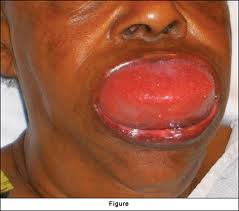
Sometimes referred to as Quinke's Edema, angioedema is that swelling we see that is most apparent around the mucosal areas of the face.  Consider Hives as swelling on the surface of the skin, and angioedema as swelling beneath the skin.  


The most common cause of this type of swelling without the presence of Hives is hypersensitivity to ACE inhibitors.  

ACE = Angiotensin converting enzyme.  This converts angiotensin one into angiotensin two.  

ACE inhibitors block ACE.

Bradykinin is a peptide that has a role with all forms of angioedema.  It is a potent vasodilator that increases permeability and allows the accumulation of fluid within the interstitial space.  

ACE is one of the main ways that bradykinin is degraded.  So when we inhibit the production of ACE, we are then inhibiting the degradation of bradykinin.  We then have this run away peptide and subsequent swelling.  

Many patients that suddenly present with severe angioedema have been taking ACE inhibitors, such as lisinopril, for a long period of time.  They may have never had any issues before, but out of no where have this severe reaction.  This type of reaction is most common in the African-American population, but may occur in anyone.  

There are other types of angioedema, including the traditional allergic reaction.  Those are more well known and prepared for.  


Treatment

As you can see from the pictures above, swelling may be within the oropharynx.  This can cause an airway obstruction, and aggressive airway management should be advocated.  

This patients may be obtunded and snoring as you enter the scene.  They have been confused for diabetics, or acute coronary syndrome patients due to their initial impression.  

It is common for these patients to undergo cricothyrotomy due to complete glottic obstruction.  Moving quickly is imperative to prevent severe hypoxia and cardiorespiratory arrest.

The usual drugs used for anaphylactic reactions are indicated.

- Epinephrine to reduce the vasodilation.  
- Crticosteroids & antihistamines.  


So the next time you run on a patient that is presenting with swelling in the absence of hives, think angioedema, and act fast!


Drug Profile: Ketamine

Ketamine 

By Adam Thompson, EMT-P


Since my beginning in the world of prehospital medicine, which wasn't too long ago, I have heard more and more about a particular drug.  I have attended critical care and emergency medicine conferences and the same has been true.  Ketamine seems to have become a favorite amongst many physicians.  I have never administered the drug myself, but it has made its way into some prehospital standing orders, and with reason.  


Ketamine Hydrochloride
Non-barbiturate anesthetic 

Mechanism of action:
  • Creates a state of dissociation from reality.  
  • Catecholamines (epinephrine & norepinephrine) are released.  
  • Spinal reflexes are reduced.


Indications:
  • Indicated for anesthesia when cardiovascular depression must be avoided.  
  • A commonly used induction agent to facilitate endotracheal intubation.

Contraindications:
  • Hypersensitivity to Ketamine
  • Increased intracranial pressure
  • Hypertension
  • Aneurysm
  • Thyrotoxicosis (hyperthyroid)
  • Congestive heart failure
  • Angina
  • Psychotic disorders
  • Pregnancy
So there are a lot of contraindications that happen to be conditions that we see commonly.  But think about what they are, and what the side effects are of the other drugs that we administer for similar indications.  Almost every other medication decreases blood pressure.  Ketamine actually increases it, so it has its place.  

Side Effects:
  • Hallucinations
  • Vivid dreams
  • Hypertension
  • Increased cardiac output
  • Tachycardia
  • Paradoxical direct myocardial depression
  • Increased ICP
  • Tonic-clonic movements

Overdose:

      With high doses or rapid administration, respiratory depression may occur.


Dosage:
  • Oral: Pediatric 6 - 10 mg/kg
  • Intramuscular: 3 - 8 mg/kg
  • Intravenous: Pediatric 0.5 - 2 mg/kg, Adult 1 - 4.5 mg/kg
Onset is about 1-2 minutes if given I.V., and 3-8 minutes if given I.M.


Some research:

The effect of combined treatment with morphine sulphate and low-dose ketamine in a prehospital setting [1] 
Conclusion 
We conclude that morphine sulphate with addition of small doses of ketamine provide adequate pain relief in patients with bone fractures, with an increase in systolic blood pressure, but without significant side effects.
Anesthesia in prehospital emergencies and in the emergency department. [2]
Abstract
PURPOSE OF REVIEW: Recently, notable progress has been made in the field of anesthesia drugs and airway management. RECENT FINDINGS: Anesthesia in prehospital emergencies and in the emergency department is reviewed and guidelines are discussed. SUMMARY: Preoxygenation should be performed with high-flow oxygen delivered through a tight-fitting face mask with a reservoir. Ketamine may be the induction agent of choice in hemodynamically unstable patients. The rocuronium antagonist sugammadex may have the potential to make rocuronium a first-line neuromuscular blocking agent in emergency induction. Experienced healthcare providers may consider prehospital anesthesia induction. Moderately experienced healthcare providers should optimize oxygenation, hasten hospital transfer and only try to intubate a patient whose life is threatened. When intubation fails twice, ventilation should be performed with an alternative supraglottic airway or a bag-valve-mask device. Lesser experienced healthcare providers should completely refrain from intubation, optimize oxygenation, hasten hospital transfer and ventilate patients only in life-threatening circumstances with a supraglottic airway or a bag-valve-mask device. Senior help should be sought early. In a 'cannot ventilate-cannot intubate' situation, a supraglottic airway should be employed and, if ventilation is still unsuccessful, a surgical airway should be performed. Capnography should be used in every ventilated patient. Clinical practice is essential to retain anesthesia and airway management skills.
Pre-hospital use of ketamine for analgesia and procedural sedation [3]
Abstract
The safe delivery of adequate analgesia and appropriate sedation is a priority in prehospital care. The use of ketamine is described for analgesia and sedation in 1030 trauma patients in a physician-led prehospital trauma service. Ketamine was mainly used in awake non-trapped patients with blunt trauma for procedural sedation and analgesia. Detailed database searches did not demonstrate loss of airway, oxygen desaturation or clinically significant emergence reactions after ketamine administration. Ketamine is relatively safe when used by physicians in prehospital trauma care.
Ketamine for prehospital use: new look at an old drug. [4]
Abstract
INTRODUCTION: Ketamine has been used extensively for analgesia and anesthesia in many situations, including disaster surgery where extra personnel and advanced monitoring are not available. There are many features of ketamine that seem to make it an ideal drug for prehospital use. The reported use of ketamine in the prehospital environment is limited, however. The purpose of this study is to review the experience in the use of ketamine in a regional air ambulance service and suggest indications for its use in the prehospital setting. METHODS: This was a retrospective study of all patients transported by a regional aeromedical program. Patients were included in this study if the crew had used ketamine at any time during the flight. Data regarding the transport collected included patient age, type of transport, indications for ketamine use, and adverse reactions. RESULTS: During the period studied, ketamine was used in 40 patients. The age range was 2 months to 75 years. The indications and situations requiring use were varied and included both trauma and medical patients. Hypotension with need for analgesia, agitation or combativeness and intact airway, or pain unresponsive to narcotic medications were the most common indications for use. Ketamine was used both intravenous and intramuscular, even without intravenous access. There were no adverse reactions. CONCLUSIONS: Ketamine is an ideal drug for use in many prehospital situations. Our experience suggests that it is safe, effective, and may be more appropriate than drugs currently used by prehospital providers.


When All You Have is a Hammer, Every Problem Looks Like... Lasix?

I posted this article over at http://www.lifeunderthelights.com/ a few days ago and I thought it would good for here as well. I'm sorry that I've only rarely posted here, but I read this blog quite often and recommend it to all of my peers. Enjoy

-----------------------------------------------

A few years ago I responded to a structure fire on the main engine out of my station. The fire was at a house that had been converted to a dog kennel and grooming shop just a few blocks away from the firehouse and was a short response time. It was a light-staffing day and we responded as a three person engine company. As the senior firefighter I was the acting company officer and my new girlfriend at the time, who just happens to be my wife now, was the backseat firefighter. Get ready for the “Awwww” moment… it was our first fire “as a couple”. There was a number of cool things that came out of the fire, but one of them was the fact that Gina grabbed *my* maul.

On our main engine, there’s an 8-pound maul (big hammer) that I grab as my tool of choice every time I jump off the truck for a fire. It just tucks so neatly in my SCBA’s belt and is so compact yet handy that I make a beeline for it every time. This time, Gina had taken it, so I grabbed a pick-head axe.

It’s amazing when I have my maul how every access problem looks like something that I can solve by whacking it with a hammer of some sort. On this fire, I learned that when one has an axe, every problem looks like it can be solved by some sort of chopping.

Moral of the story, Gina and I entered the structure, saved the pooches, and stopped the fire in its trucks with minimal damage. There’s actually a hilarious video that I believe is still on our department’s web site that I’d let you see if I didn’t hide the name of the department(s) I work for due to reasons of wanting to remain employed.

And, like a lot of posts I write, I told you that so I could tell you this about an EMS call I responded to an indeterminate amount of time ago. I have the honor and privilege to be the senior medic on most shifts I work and I precept a lot of students on the ambulance. This shift was no different and this 0-dark-30 call illustrates a point that I’d like to explain to you.

For this call, the primary ambulance out of our station responded because they were on the way back from another call and my partner and I responded in our ambulance because we were up on the alternating call rotation. They arrived at the poorly-accessible apartment complex a few minutes before we did and made first patient contact. As it turns out, the middle age patient had ran out of his/her prescription Lasix (a potent diuretic, or water pill) a week or so prior to the call and had been retaining a great deal of excess bodily fluid. The patient’s legs were markedly and grossly swollen and weeping fluid out of fluid filled blisters. The Patient called us because he/she could no longer stand the pain of the cellulitis (infection) that had developed. The patient had no respiratory compromise, his/her lungs were clear, and he/she really had no other complaints. The patient had an extensive medical history of organ failure and disease. He/she was fully alert and oriented, and was able to assist us as we simply picked him/her up and carried him/her to the cot.

As we were loading the patient up in the ambulance and I was about to get into the back to continue my assessment and treatment of the patient, the EMT from the other ambulance who happens to be an almost-done Paramedic student told me, “So those legs are the worst I’ve ever seen fluid wise, you’re going to push some lasix on this one”. I mumbled something and got into the truck. I was tired and wasn’t really able to form complete sentences at the time due to sleep deprivation. I continued my assessment where I found that the frail patient had a blood pressure in the 70 systolic range (Low!) and that in addition to retaining fluid in his/her legs, he/she was also retaining fluid in his/her abdomen and was probably in need of a paracentesis. I managed the patient with a (beautifully executed, I must say) IV stick into an impossibly small and crooked vein, and gave just enough fluid to bring his/her BP up a bit without adding to his/her fluid overload all that much. I put the Pt on oxygen and a cardiac monitor, which revealed a normal sinus rhythm without ectopy and obtained a 12-lead EKG as well, which was not indicative of any acute problems. The patient stated that his/her pain was managed by padding and positioning of his/her swollen legs and even though he/she complained of no breathing problems, I put him/her on a bit of oxygen via nasal cannula.

The transport was uneventful, although his/her blood pressure never did come up. The ER later diagnosed the Pt with complete liver failure and toxicity.

But the interesting part of the story is this, when I got back the medic student asked me about giving IV lasix to the patient, as we carry that in our medication stock and have it available as an emergency diuretic for patients in congestive heart failure and/or fluid overload with pulmonary edema and respiratory compromise. He was almost taken aback when I said that I didn’t give any.

I asked him if he did a full assessment. He said that he had tried… but that he didn’t have enough time before I arrived and we took the patient out to the ambulance. I gave him my assessment findings and the news of the very low blood pressure. He said that he agreed with me on not giving the lasix with the markedly low blood pressure but was curious when I explained that it wasn’t the reason I didn’t give the medication.

We in EMS, and especially new providers carry our own hammers… our treatments and medications that we’re able to give in the field. Medics that use these treatments more often are called “aggressive” and it is a badge of honor. In fact, in some cases, aggressive field treatment is indeed warranted and improves patient outcomes. However, in a lot of cases it is not indicated and patients benefit from what we don’t do more so than from what we could have done.

This patient didn’t have any respiratory compromise and while he/she obviously could have benefited from the dieresis or removal of the excess fluid, she didn’t meet the criteria for emergent field administration of lasix, which is respiratory compromise from pulmonary edema. I made the decision to let the physician evaluate the patient and determine the best treatment path that would fit in with the patient’s ultimate plan of care. I didn’t believe that the patient would ultimately benefit from my administration of lasix twenty minutes earlier than the ER could have done it if the physician so chose.

Every treatment we administer must be given with a full assessment of the risks and benefits to the patient for doing so. Every EMS person should familiarize themselves with the long-term care paths of the conditions we treat and try to maximize the long-term benefit to the patient with the acute and short-term care we give. Not every problem is “a nail” and sometimes the hammers we carry aren’t the best ultimate solution for excellent patient care. Remembering how we as EMS people fit into the grand scheme of the overall healthcare system and in the ultimate care paths of our patients will help us all to do what we’re supposed to do, which is to provide excellent and appropriate patient care.

It is also of note, I guess, that Gina rarely steals my maul anymore. Now that we’re married… I “give it freely” to her.. What’s mine is her’s, as they say.

--------------------------------------------
 
The original post has some pictures of the fire and of the doggies that my wife and I saved on our first "Fire Date" - It can be seen HERE

Common and Uncommon Usages of Glucagon in the Field

As a new member of Paramedicine 101, I'll be quick with the introductions: I'm an EMT-Paramedic in North Carolina and have been in EMS just long enough to have never recertified. I'll save you the trouble of looking up NC's recertification schedule to let you know I'm green! Recently I was on a call in which a patient choked on a piece of cabbage. The patient was able to clear the foreign body airway obstruction on their own, but continued to have the sensation of choking. Our site MD recommended the administration of 1 mg Glucagon slow IVP in order to alleviate the discomfort. The only alternative usage I had been aware of was for β-blocker overdose.

After this call I found I could not escape these alternative usages of Glucagon! Sitting at the station one night I read a passage in Galvagno's Emergency Pathophysiology where he noted Glucagon could be administered in refractory anaphylaxis, and at that point my mind had been blown enough that I decided it merited an entire article. The structure of this article and the dosages are based on an excellent article by Charles Pollack: Utility of Glucagon in the Emergency Department with a host of support from interesting journal articles. Many of the uses Pollack gives are omitted as they have dubious applications in the field. So sit back and enjoy some well known and not so well known indications for the administration of Glucagon!

Abstract

In the pre-hospital setting, Glucagon primarily plays a role in the management of hypoglycemic patients. Emergency Medical Technicians carry Glucagon as an alternative or adjunctive therapy to dextrose administration in these patients. However, this is not the only usage of Glucagon in the field. Many ALS protocols include Glucagon for the treatment of symptomatic bradycardia in patients who have overdosed on β-blockers or are refractory to standard ACLS treatments. As we will find, there are a number of alternative usages of Glucagon which could be considered in the field under online medical direction.

Common Clinical Applications of Glucagon
  • Hypoglycemia
  • Symptomatic bradycardia secondary to β-blocker overdose
  • Symptomatic bradycardia secondary to Ca-channel blocker overdose
Uncommon Clinical Applications of Glucagon
  • Steakhouse syndrome
  • Refractory anaphylaxis
  • Severe asthma (little support)
  • Refractory CHF (little support)
Pharmacology

Glucagon is a hormone produced by alpha cells in the islets of Langerhans of the pancreas. The primary effect of Glucagon is to promote the release of stored glucose in the liver and stimulate the release of insulin from the pancreas to promote uptake of glucose into the cells. Additional effects of Glucagon include a cascade of activations resulting in an increase of cyclic-AMP (cAMP). cAMP is an important intracellular messenger, responsible for carrying the signals of epinephrine and glucagon across the cell membrane. cAMP also regulates the flux of Ca2+ through ion channels independent of β-adrenergic receptors. This quality of Glucagon is what is thought to explain the various changes to the cardiovascular system seen after its administration.

In the field, Glucagon is commonly packaged as a powder which is reconstituted with either sterile water or D5W (5% dextrose in water) to give a final concentration of 1 mg in 1 cc. Glucagon can be administered intravenously (IV), intraosseously (IO), intramuscularly (IM), subcutaneously (SQ), or intranasally (IN). Glucagon is assigned to the pregnancy category B, therefore usage during pregnancy should be considered when the benefits outweigh the potential risks. The most common side effects are nausea and vomiting, thought to be associated with the rate of IV administration. When giving high doses of Glucagon, the usage of antiemetics such as ondansetron or promethazine should be considered. Additionally some diluents packaged with Glucagon contain phenol, which in high doses can be toxic. Therefore, reconstitution should be done in sterile water, D5W, or normal saline.

Hypoglycemia

Pre-hospital providers may be surprised to learn that the administration of 2 mg Glucagon intranasally (IN) was shown to be as safe and efficacious as an IM administration of 1 mg. Recently the administration of drugs through the IN route has gained in popularity, the most visible of those being naloxone (Narcan) for opiate overdoses and midazolam (Versed) for seizures. In 2009, naloxone administration via the IN route was added to the scope of practice for all levels of EMTs in North Carolina, where this author currently practices.

Given the few side effects and complications associated with the administration of Glucagon, it would be a powerful addition to BLS providers for hypoglycemic patients in which oral glucose is not indicated. Yet the widespread adoption of intranasal Glucagon has not been seen in EMS, even though studies on intranasal Glucagon were conducted as far back as the 1980s. One potential explanation could be the relatively high cost of Glucagon. A casual and unscientific search of Internet distributors shows the average price of 1 mg Glucagon ranges from $70-150 USD. In comparison, naloxone ranges from $18-25 USD for the common pre-hospital packaging. Given the economic troubles in 2009 and 2010, it seems unlikely that the intranasal route will gain traction amongst already cash strapped BLS providers.

Symptomatic Bradycardia

Beyond hyperglycemic effects, Glucagon exerts both positive chronotropic and inotropic effects on the heart through non-adrenergic receptors. Because the cardiovascular actions are orthogonal to β-adrenergic receptors, it should be considered in any symptomatic bradycardia refractory to sympathomimetics or as an adjunct to sympathomimetic therapy. High-dose IV Glucagon has been shown to be effective when there is a known β-blocker or Ca-channel blocker overdose.

The first consideration for providers when using Glucagon for a patient with suspected β-blocker or Ca-channel blocker overdose is the extreme dosage to be administered. A loading dose of 2-10 mg is cited by the literature, followed by 1-5 mg/hr maintenance infusions titrated to effect if hypotension and bradycardia persist. The service at which the author works only carries two 1 mg Glucagon kits per ambulance, which is relatively common amongst ALS providers. Therefore, a second unit or ALS QRV should be requested for an intercept to supply additional Glucagon kits. This logistical concern obviates any on-scene treatment with Glucagon for symptomatic bradycardia, and should not delay safe and expeditious transport.

Steakhouse Syndrome
Steakhouse syndrome, otherwise known as an esophageal food bolus obstruction, is a medical emergency occurring when a foreign body becomes stuck in the esophagus either due to spasms, strictures, or rings. Standard treatment includes endoscopy, digestive enzymes (such as papain), or Glucagon. An interesting property of Glucagon is that it can overcome smooth muscle spasms of the lower esophagus and lower esophageal sphincter pressures. Glucagon has been used in various radiological studies since the 1970s and its hypotonic effects on the esophagus are well documented.

Usage in the ED began formalization in the 1990s with studies on determining an effective treatment protocol. The most common protocol begins with fluoroscopy studies to determine the extent of the obstruction. Next, the patient is laid supine and 1 mg of Glucagon is given over 1 minute via IV push (to lessen the chance of nausea and vomiting). Finally, the patient is sat upright and encouraged to drink 200 cc of water and an effervescent solution. The combination of Glucagon’s spasmolytic effects, the hydrostatic pressure of the column of water, and the esophageal dilation secondary to the effervescence is very successful at passing obstructions.

In the field, patients will present with an inability to swallow, excessive salivation, drooling, and will probably be distressed. If prompt medical attention is not sought, aspiration, esophageal rupture or perforation may occur. A trial of 1 mg Glucagon slow IVP under medical direction may be an effective means of terminating any spasms and passing the obstruction. Glucagon could also be considered in the case of a recent clearing of a foreign body airway or esophageal obstruction with excessive coughing or spasms. Unfortunately the use of Glucagon in the field to treat true esophageal food bolus obstructions is limited by an inability to conduct radiological studies, so unless transport times are long or the EMS system rural, safe and expeditious transport should not be delayed.

Refractory Anaphylaxis

Prompt recognition and management of anaphylactic shock is constantly stressed in EMS education as it is both rapidly fatal and reversible. Treatment protocols include epinephrine, antihistamines, corticosteroids, inhaled β2-agonists, and aggressive fluid resuscitation. However, in certain patient populations the use of epinephrine may not be desired or outright contraindicated. Additionally, some patients may just not respond to β-adrenergic stimulation. Due to its orthogonal cardiovascular mechanism of action, Glucagon is an appropriate choice as supplemental treatment in these patients.

In the field, dosages for Glucagon in refractory anaphylaxis should begin at 1 mg IV every 5 minutes as needed. If the patient has a known β-blockade or is refractory to epinephrine, doses as high as 3-5 mg may be required. If hypotension continues in spite of aggressive fluid resuscitation, a maintenance infusion of 1-5 mg/hr should be started, titrated to effect. As discussed in β-blocker overdoses, most ALS units do not carry enough Glucagon for prolonged treatment and additional units should be requested for an intercept. As before, safe and expeditious transport to an ED should not be delayed for treatment with Glucagon.

Severe Asthma

Treatment of asthma in the field is relatively straightforward, involving nebulized β2-agonists and parasympatholytics, IM sympathomimetics, and IV corticosteroids. However, if a patient has a β-blockade or is in status asthmaticus, the condition may be so severe that standard treatments are not effective on their own. Studies were conducted in the late 1980s and early 1990s on the use of IV and nebulized Glucagon for the adjunctive treatment of bronchospasm. They showed that the smooth muscle relaxation of Glucagon, which is independent of β-adrenergic pathways, provides some clinical benefit when compared against using β2-agonists alone. Current clinical guidelines for the management of asthma note that "last ditch" treatments such as magnesium sulfate or Glucagon have little support in the literature and may even be harmful. However, Glucagon has been shown to be safe even if the additive benefit is negligible.

In the field, patients presenting with severe asthma or status asthmaticus should be treated aggressively using current protocols. Albuterol, ipratropium, epinephrine, and corticosteroids should all be administered prior to the consideration of "last ditch" treatments such as Glucagon. Dosages for Glucagon in severe asthma vary based on the route of administration; 1-2 mg slow IV push or 2 mg nebulized have been shown to be effective in small studies in addition to aggressive β2-agonist treatment. Do not delay safe and expeditious transport or definitive airway management in a decompensating asthmatic.

Refractory CHF

In a patient with acute Congestive Heart Failure, if they are refractory to inotropes Glucagon can be considered as a potential treatment. Studies conducted in the 1960s and 1970s showed promise for Glucagon as a supportive agent in CHF, but only for NYHA Class I and Class II heart failure. Recent studies, however, do not show strong for a support for Glucagon in CHF, reserving its usage for refractory shock states. Dosages in the field of Glucagon for refractory CHF should be 0.01-0.05 mg/kg IV bolus with a maintenance infusion of 1-3mg/hr. The paucity of literature in support of Glucagon for CHF relegates this treatment to a last ditch effort with close medical direction.

Conclusion

Glucagon is one of the most common items in an ALS drug box and as the literature shows surprisingly versatile. Beyond its hyperglycemic effects, Glucagon is a positive inotropic and chronotropic agent. This oft overlooked mechanism of action arms pre-hospital providers with new treatments without adding additional medications. While medical control will be required for nearly all of the alternate indications, both rural and urban providers can make more informed treatment choices for their patients especially when the standard treatments fail.

Potential Utility of Glucagon in the Field (adapted from Pollack)
  • Hypoglycemia: Adults: 1 mg SQ, IM, IV; 2 mg IN. Peds: 0.5 mg SQ, IM, IV; 1 mg IN. Neonates: 50 mcg/kg SQ, IV. (should accompany glucose resuscitation)
  • Symptomatic bradycardia secondary to β-blocker overdose: 10 mg IV bolus, 1-5 mg/hr maintenance infusion. (should supplement standard treatment)
  • Symptomatic bradycardia secondary to Ca-channel blocker overdose: 2-10 mg IV bolus; consider maintenance infusion. (should supplement standard treatment)
  • Steakhouse syndrome: 1 mg SQ, IM, IV, may repeat.
  • Refractory anaphylaxis: 1 mg IV q 5 min; consider 3-5 mg IV; consider maintenance infusion. (should supplement standard treatment)
  • Severe asthma: 1-2 mg IV; 1-2 mg nebulized. (paucity of literature to support this use)
  • Refractory CHF: 0.01-0.05 mg/kg IV bolus, 1-3 mg/hr maintenance infusion. (paucity of literature to support this use)
References
  • Pollock CV: Utility of Glucagon in the Emergency Department. J Emerg Med 1993; 11: 195-205.
  • Rosenfalck AM, et al: Nasal glucagon in the treatment of hypoglycaemia in type 1 (insulin-dependent) diabetic patients. Diabetes Research and Clinical Practice 1992; 17: 43-50.
  • Love JN, Howell JM: Glucagon Therapy in the Treatment of Symptomatic Bradycardia. Ann Emerg Med January 1997; 29:181-183.
  • American Heart Association. Part 7.3: Management of Symptomatic Bradycardia and Tachycardia. Circulation 2005; 112; IV-67-IV-77.
  • Stadler J, et al: The "steakhouse syndrome". Primary and definitive diagnosis and therapy. Surg Endosc 1989; 3(4):195-8.
  • Glauser J, et al: Intravenous Glucagon in the Management of Esophageal Food Obstruction. JACEP June 1979; 8: 228-231.
  • Handal KA, Riordan WM, Siese J: The lower esophagus and glucagon. Ann Emerg Med November 1980; 9: 577-579.
  • Galvagno, Samuel M. (2003). Emergency Pathophysiology: Clinical Applications for Prehospital Care (pp. 195-200). Jackson, Wyoming: Teton NewMedia.
  • Lieberman MD, et al: The diagnosis and management of anaphylaxis: An updated practice parameter. J Allergy Clin Immunol 115 (2005); 3: S483-S523.
  • Gavalas M, Sadana A, Metcalf S: Guidelines for the management of anaphylaxis in the emergency department. J Accid Emerg Med 1998; 15: 96-98.
  • Compton J: Use of glucagon in intractable allergic reactions and as an alternative to epinephrine: An interesting case review. J Emerg Nurs 1997; 23: 45-7.
  • Wilson JE, Nelson RN: Glucagon as a Therapeutic Agent in the Treatment of Asthma. J Emerg Med 1990; 8: 127-130.
  • Melanson SW, Bofante G, Heller MB: Nebulized Glucagon in the Treatment of Bronchospasm in Asthmatic Patients. Am J Emerg Med 1998; 16: 272-275.
  • Marik PE, Varon J, Fromm R: The Management of Acute Severe Asthma. J Emerg Med 2002; 23: 257-268.

Coumadin case

Here is a case where you need to think and act outside the traditional area of your education.

A 68 year old female patient with osteoarthritis was discharged from the hospital following surgery for a proximal fractured femur, at the greater trochanter. The patient's physician ordered 5 mg of coumadin P.O. daily four days ago. The patient was not sure if she took her medication one day, so she took twice the amount the next day. And then took twice the amount the day after that. Her daughter, a nursing administrator by trade, arrived to check on her mother, and after questioning her mother's ability to self medicate appropriately, counted the tablets and found three missing, and assumed her mother took them. Instead of calling her mother's physician, she calls an ambulance.

You respond and find the patient laying in bed, alert and oriented with vitals all withing normal limits.

1. Why was this patient prescribed coumadin and what is the normal dosage range? What are the pharmacodynamics of this medication?

2. What are the possible consequences of the patient taking too much Coumadin?

3. What should you assess for or warn the patient about since she has taken a large dose of the medication?

4. What do you need to teach the patient regarding her medication, especially in regards to missing a dose or managing her medications at home?

5. What labs should the patient's physician be monitoring? What will be the therapeutic range?

6. Does this patient need to go to the hospital? If not, what assessment findings would warrant an ED visit? If so, what laboratory values will the hospital check? Is there anyone you should call for advice or is this an automatic transfer to an ED? If the patient needs seen or stat lab work, is the ED the only option for this patient?

Education: Pain Management

I have been procrastinating on approaching this topic. I will start off by reviewing a study that assesses pain management before and after continued education. The results are pretty interesting. I know this a subject of particular interest to Rogue Medic, so don't be surprised if he chimes in with some added opinionated criticism information.


The Abstract:


INTRODUCTION: Pain is a common symptom evaluated by emergency medical services (EMS) providers. Hospital pain management programs began in the early 1990s based on a multidisciplinary approach and principles of total quality improvement. To date, these programs have had limited exposure in the prehospital setting. OBJECTIVES: To evaluate the effects of a pain management educational intervention (EI) for paramedic caregivers. METHODS: All ambulance providers from ten urban and suburban fire departments and two private ambulance companies participated in a three-hour EI during a quality improvement project. A survey was performed prior to the EI and repeated one month after the EI. A two-month collection of EMS runs for pain complaints was performed prior to the EI and repeated one month after the EI. Data analysis was performed using descriptive statistics and chi-square tests. RESULTS: The authors reviewed 397 surveys and 439 EMS runs for pain. Overall, after the EI, paramedics' knowledge of basic pain management principles increased from 57.3% to 74.9% (17.5%; 95% confidence interval (CI): 14.9%-20.2%;) paramedics' utilization of nonpharmacologic pain therapies improved by 32.2% (95% CI: 25.3%-39.2%; p), but there was no significant change in the use of pain medication (20.2% to 24.5%). There were 51.0% (95% CI: 44.1%-57.9%; p) improvement in documentation of pain severity, 24% (95% CI: 21.2%-26.8%;) improvement in documentation of pain characteristics, and 13% (95% CI: 7.4%-18.7%;)improvement in pain reassessment following intervention. CONCLUSION: As a result of a three-hour educational intervention, paramedics had an increased understanding of pain principles, were more likely to provide prehospital nonpharmacologic pain therapy, and were more likely to document the results of their interventions.
Well at least they provided pain therapy. Pain is the most common reason people seek healthcare, and prehospital care providers are generally lacking in pain management skills. It is reassuring to see studies like this.

If you read the abstract you will note that there was no significant change in the use of pain medication; 4.3% according to the full study. Documentation improved as well as nonpharmacologic therapy. This was after just 3 hours of training. With appropriate QI/QA follow up, this may improve much more.

It seems the authors of the study were slightly biased. They emphasize the positive results much more than mentioning the slight improvement in medication administration.

I believe the problems we have with pharmacological pain management has to do with a few factors:

- Laziness. Controlled substances usually require more work, during and after the call.
- Fear of administering medications. Some medics just don't like giving drugs.
- A judgmental attitude. Not everyone is a "drug seeker", and we need to use a better assessment.
- Disregarding the complaints. "I'm in pain" generally means "I'm in pain". Some medics have a tendency to completely ignore issues of comfort, searching for a TRUE medical emergency.
- These patients are commonly triaged as BLS.

There are probably many more reasons, but I think these are probably the most prominent. I will touch on this subject in further posts, I just wanted to get the ball rolling.

Drug Math Tutorial Part IV


Okay, now that you have the correct method to work out any prehospital drug calculation (once you learn it well), I am going to teach you a few tricks and other methods.

The first trick I am going to teach you is for Dopamine. This trick will yield you a starting dose of 5mcg/kg/min using 1600mcg/ml concentration and a mini drip (60gtts/ml). This will give you a starting point to titrate from. It is a pretty easy method and it works every time (well every time I have used it).

  1. First, take your patients weight in pounds (that's right, pounds!).
  2. Then drop the last number off the weight
  3. Then subtract 2
  4. This will be your gtts/min.
Lets try it:
148 lbs
drop the last number
14
subtract 2
14 - 2 = 12
12 gtts/min.
Okay, now lets try this with the master formula:

5mcg/kg x 67kg x 60gtts/ml
400mg/250ml x min

5mcg/kg x 67kg x 60gtts/ml
1600mcg/ml x min

5 x 67 x 60gtts
1600 x min

Your answer will come out to 12.5625
Pretty close huh?

Try this with a few other weights and see what you come up with. This is easier than the dopamine clock method, so I am not going to teach that. I will show you the clock for lidocaine though.

The Lidocaine Clock
4mg/ml
Please excuse my horrible drawing. I am going to explain this method for those who have not adopted Amiodarone as the end all save all, and might still have enough Lido to do this. Or for the future, since I have a small feeling that the next set of AHA proposed ACLS guidelines will be bringing Lido right back where it was.

This is how you use the clock method.

Notice how the numbers 15, 30, 45, & 60 all sit in the drawing the same place they would on a clock?
  1. First you must mix your bag, 2gm in 500cc, or 1gm in 250cc
  2. Use a mini drip (60gtts/ml)
  3. This will give you a concentration of 4mg/ml
  4. Look up the dose you need per min. (example 2mg/min)
  5. Run your dose at the setting according to the clock.
So if your dose is 2mg/min you will run your drip at 30gtts/min. (1gtt/2sec)
If your dose is 4mg you will set your drip at 60gtts/min (1gtt/sec)

Get it? Hope so, its pretty simple.


Another thing I wanted to mention in this part was volume dosages. I kind of touched on this with one of the Q&As for part III. When administering an amount of fluid over time, you can ignore the drug dose in the formula. The math becomes much simpler.

Amiodarone: 150mg in 100cc(D5W) over 10 minutes.

For this medication you want to use a macro drip(10gtts/ml) just because its too hard to count the mini drip dose and most people just end up leaving it wide open (which goes in at about 10 min coincidently).

So for this dose forget the drug portion. You need to get 100cc of fluid in over 10min using a macro drip.

1. For this, just multiply your total fluid by your drip set.

100ml x 10gtts/ml = 1,ooo

2. Then simply divide by the time that you need to get it in.

1,000/10 = 100
answer: 100gtts/min
This is easier than trying to plug it in to the master formula. Plug in a mini drip and see why we don't use that. I think you would have to count 600gtts/min.

Try using these methods in conjunction with the master formula.

Drug Math Answer Key

Answers to part II
1. 500 mcg / 50 ml
Answer: 10mcg/ml

2.
25 mg / 250 ml (first convert this to mcg)
Answer: 100mcg/ml

3. 10 mg / 2 ml
Answer: 5mg/ml

4. 500 mg / 250 cc
Answer: 2mg/ml
Answers to part III
mini drip = 60gtts/ml
macro drip = 10gtts/ml

1. Your dose is 20mcg/kg/min and your concentration is 500mg in a 50cc vial. Use a mini drip.
Plug your numbers into the formula. Remember, the time portion of the dose goes on the bottom.
20mcg/kg x 70kg x 60gtts/ml
500mg/500ml x min.
First convert concentration to mcg because the dose is in mcg
20mcg/kg x 70kg x 60gtts/ml
500,000mcg/500ml x min.
Next reduce your concentration
20mcg/kg x 70kg x 60gtts/ml
1000mcg/1ml x min.
Next, cross out a zero up top for every zero on the bottom.
20mcg/kg x 70kg x 60gtts/ml
1000mcg/ml x min.
Then cross out every variable that repeats itself
20mcg/kg x 70kg x 60gtts/ml
1000mcg/ml x min.
Then rewrite the formula without all the stuff you just crossed out.

2 x 7 x 6 gtts
min.

Now you know your answer is going to be gtts/min. from here just multiply what is left.
2 x 7 = 14 & 14 x 6 = 84
Answer: 84 gtts/min
now work thatdown to something you can manage
It's almost 3 gtts every 2 seconds

2.Your dose is 10mcg/min and you have a 250cc vial with 25 mg. Use a mini drip.

Answer: 6gtts/min (better use a IV pump)

3.Your dose is 2mcg/min and you put 1mg in a 250cc bag. Use a mini drip.

Answer: 30 gtts/min. (1gtt/2sec.)


4.Your dose is 150mg/10min you have a 100cc bag and a macro drip.
This was a trick question. For this one, all you have to worry about is getting 100ml of fluid in over 10 min. using a 10gtts/ml drip set. So your dose is 100 x 10. The 100 comes from the 100ml portion and the 10 comes from the time. Giving a certain amount of fluid over a time period is slightly different. You can use the formula if you plug it in correctly, but I will show easier ways in further posts.
100 x 10 x 10gtts/ml
100ml x min.
Answer: 100ml/min. (about 3gtts/2sec.)

5.Your dose is 0.25mg/kg for a 132 pound and you have a 5cc vial with 25 mg. This is a common dose for Cardizem. If you divide your patient's weight(in kg) by 4 you will have your dose in mg. Then divide by 5 because for every 5mg its one ml.
60kg/4 = 15
15mg/5 = 3
Answer: 3ml (15mg)

Drug Math Tutorial Part III

This part is going to explain a universal formula for dose administration.


What is it?
The Master Formula is a formula that can be used for all drug calculations. It was developed by my paramedic instructor(well published by him, probably developed long before him) and is currently a standard in many educational facilities.

How do I use it?
You plug the appropriate numbers into the previously defined variables. This means that if you are not administering a weight based medication & dose that you do not need to use that portion of the formula. I will explain in the fallowing.


Why do I need to do math?
Luckily, most drug manufacturers package prehospital medications in single-dose containers(vials, ampules, syringes). Unfortunately, some medications are weight-based, and nearly every pediatric dose requires titration by weight. This means that math still has its place in EMS.

The point of doing the math is to end up with an answer in milliliters or drops per minute (gtts/min). This is because our syringes & bags of fluid are measured in milliliters, and we need to figure out how many ml or gtts/min will equal the dose we want to deliver.


The Master Formula:


DD x Wt x SS
C x T

DD = Desired Dose
Wt = Weight
SS = Solution Set
C = Concentration
T = Time

Solution Sets
Mini drip: 60gtts/ml, means every 60 drops equals 1 ml(1cc)
Macro drip: 10gtts/ml, means every 10 drops equals 1ml(1cc)


You are ordered to administer 20 mg of Cardizem to your a-fib patient.
Your Cardizem comes in a 5 cc vial. On the label of that vial it says 25 mg.
How are you going to deliver this med?


Desired Dose(DD): 20 mg
Concentration(C): 25 mg/5 ml


I bet you can do this one in your head, but I am going to write it out for you(and those people who may need a math refresher). Place your desired dose(DD) over the concentration(C). Since this wasn't a weight-based dose, we don't need the Wt part of the formula. Since this is a bolus and not an infusion, we won't need the SS or T part of the formula. So we need to write this out DD/C.
20 mg
25 mg/5 ml


Now you have to reduce C to 1 ml.
25 mg /5 ml = 5 mg /ml


Now rewrite your formula with the C minimized:
_20 mg_
5 mg/ml


Now, when using this formula, you can cross out any variable, such as mg, that repeats itself. So if you see "mg" behind a number above the line, and you see "mg" behind a number below the line, just cross them both out. If both variables are on the top or on the bottom, you can cross them out as well. So basically anytime you see the same thing twice like kg, ml, mg, or mcg, just cross them out.
20 mg
5 mg/ml


Now rewrite this without crossed out variables:
_20_
5 /ml

If it makes it easier, you can circle all the single variables left. In this case ml is the only one. So now that you have reduced your variables, you need to reduce the numbers. In fractions, if the top and bottom number are both divisible by the same number, you can reduce them. Since 20 and 5 are both divisible by 5 you want to divide them both by 5.


20 divided by 5 = 4
5 divided by 5 = 1
_4_
1 /ml

Now, a mathematician would tell you to multiply the top and bottom by the remaining variable.

4(ml)
& 1/ml(ml)

= 4ml/1

= 4ml


I am just going to tell you that whenever you see 1/ml on the bottom of your formula. You can just bring the ml to the top.
So your answer will be 4 ml.


After getting your answer, ask yourself, "does this make sense?". Well does it?


25 mg of Cardizem in 5 ml, and you want to give 20 mg. Is 4 ml a reasonable answer? YES!!


Lets try Dopamine.
Your dose for Dopamine starts at 5mcg/kg/min.

This tells us that we will be using the weight (wt) portion of the formula.

First we plug the dose, and weight into the formula. Lets say our patient is 110 lbs. That equals 50 kg, because 1 kg = 2.2 lbs.
5 mcg/kg x 50 kg x SS
C x min.

• Notice that the time portion of the dose replaces Time (T) on the bottom of the formula.

• Now we still need our solution set (SS) and concentration (C).

• We will be using a 60gtts/ml(mini drip) drip set.

• Dopamine comes packaged 400mg in a 250ml premixed bag.
5mcg/kg x 50kg x 60gtts/ml
400mg/250ml x min.

Since our dose is in micrograms we need to convert our concentration from milligrams to micrograms.

• 1mg = 1000mcg
5mcg/kg x 50kg x 60gtts/ml
400,000mcg/250ml x min.

Next we need to get our concentration simplified to per 1ml (1cc). This means that you divide both sides of the concentration by the volume (milliliters).

• 400,000 divide by 250 = 1,600

• 250 divided by 250 = 1, We do not show the numeral 1 when there is a variable fallowing it(1ml = ml).
C = 400,000mcg/250ml = 1,600mcg/ml

• Now we can plug our simplified concentration into the formula.
5mcg/kg x 50kg x 60gtts/ml
1600mcg/ml x min.

• Now it’s time to start simplifying our formula.

• First you can eliminate all variables that you see twice

• Since mcg is on the top and the bottom we cross them out
5mcg/kg x 50kg x 60gtts/ml
1600mcg/ml x min.

• Do the same with kg & ml. If it makes it easier for you, circle the variables left.
5mcg/kg x 50kg x 60gtts/ml
1600mcg/ml x min.

• Now you can rewrite the formula without the crossed out variables.

• This will show you what form your dose should end up in. In this example gtts/min.
5 x 50 x 60gtts
1600 x min.

• Now you can just do the math.

• The easiest way is to cross out the zeroes. Cross 1 zero off the top and 1 off the bottom. Then do it again. You will be left with 16 on the bottom.
5 x 50 x 60gtts
1600 x min. =

5 x 5 x 6gtts
16 x min.

• Since 6 is on the top & 16 is on the bottom and they are both divisible by 2, divide both by 2.
5 x 5 x 3gtts
8 x min.
• This is as far as you can simplify so multiply the top then divide the product by the bottom.

5 x 5 x 3gtts
8 x min.

5x5 = 25
&
25x3=75

75gtts
8min.


In division we divide the top number by the bottom number.


75 divided by 8 = 9.375. Round to the nearest whole number.

Answer: 9 gtts./ min.


Practice this formula on a few more doses.

mini drip = 60gtts/ml
macro drip = 10gtts/ml
  1. Your dose is 20mcg/kg/min and your concentration is 500mg in a 50cc vial. Your patient is 154 pounds. Use a mini drip.
  2. Your dose is 10mcg/min and you have a 250cc vial with 25 mg. Use a mini drip.
  3. Your dose is 2mcg/min and you put 1mg in a 250cc bag. Use a mini drip.
  4. Your dose is 150mg/10min you have a 100cc bag and a macro drip.
  5. Your dose is 0.25mg/kg for a 132 pound and you have a 5cc vial with 25 mg.

Drug Math Tutorial Part II

In this part I am going to go over drug concentrations. This is a vital part of your drug calculation.


Most drugs you will encounter will be in a measure of grams.

Milligrams = mg
Micrograms = mcg (sometimes μg or ug)

1000 mcg = 1 mg
You can just move the decimal point three places to the left or right depending on what you are converting.

A whole number is a number that doesn't have a fraction or decimal following it.

ex.
4.25 is not a whole number
4 is a whole number

Whole numbers have an invisible decimal all the way to the right of the number. For example, the number 24 has a decimal after the 4, and is equal to 24.0

To convert 400 mg to mcg move the decimal to the right three places.
400 mg = 400,000 mcg

To convert 10 mcg to mg move the decimal to the left three places
10 mcg = 0.01 mg
Another unit of measure commonly used for medications is the milliequivalent.
Milliequivalent = mEq
A milliquivalent is 1000th of an equivalent. An equivalent is a form of measure used in chemistry to denote one mole of hydrogen ions in an acid-base reaction. This is the definition of the term as it is used in the prehospital setting.

The last unit of measure I am going to briefly go over is the milliliter. Milliliters are used to measure an amount of fluid. This is how we measure our normal saline and lactated ringers.
milliliter = ml
1 ml = 1 cc

When we are talking about concentrations we are talking about how much drug per amount of fluid.
25 mg / 5 ml
This denotes 25 mg of a drug in 5 ml(cc) of fluid.
When you are going to administer a medication, it is important to minimize your concentration per milliliter. This way when you can get your dose in milliliters so you know exactly how much fluid to draw up or mix into a bag.

To do this divide the left side (the mg, mcg, or mEq) by the right side (the ml or cc).
10 mg / 5 ml
10 divided by 5 = 2
2 mg / 1 ml or 2 mg/ml
25 mg / 5 ml = 5 mg / ml
.....
1 ml is equal to "ml"
.....
400,000 mcg / 250 ml = 1600 mcg / ml
Here is a video from MediCcast that might help:

ParamedicTV is powered by EMS1.com

Practice minimizing the following concentrations to 1 ml
  1. 500 mcg / 50 ml
  2. 25 mg / 250 ml (first convert this to mcg)
  3. 10 mg / 2 ml
  4. 500 mg / 250 cc

In part III we will combine these concentrations with common medication doses.

Drug Math Tutorial Part I

Becoming an educator was one of the most eye-opening experiences I have had since I first started in EMS. Remembering what it was like being a student, and stripping away all my experience was a pretty hard task. Since I have started teaching I have noticed some trends. I am hoping to provide another resource of education for the prehospital clinician. Where better to start than the areas I see the most people struggle.


This series is aimed towards the paramedic student, but it could be a refresher for the rest of us. I will be reviewing drug administration and calculations. Enjoy the tutorial, and provide comments if I mess up!

In this section I am going to review some simple conversions and units of measure.

Weight:
Unfortunately when we are doing drug calculations, we have to use kilograms instead of pounds. This can be a pain in the butt for some people, but it isn't as hard as you might think.

lb = pound
kg = kilogram

1 kg = 2.2 lbs
5 kg = 11 lbs
10 kg = 22 lbs

If you can remember that for every 5 kilograms you have 11 pounds and 10 kilograms you have 22 pounds you can make your life a little easier by just memorizing a few weight conversions.

20 kg = 44 lb ____ 60 kg = 132 lb
30 kg = 66 lb ____ 70 kg = 154 lb
40 kg = 88 lb ____ 80 kg = 176 lb
50 kg = 110 lb ____ 90 kg - 198 lb

So if you have someone that is 121 lbs, you know that 110 lbs is equal to 50 kg and every 11 pounds is 5 kilograms, so 121 lbs = 55 kg.

If you memorize those weights, you can double them for heavier patients.

Since 50 kg = 110 lbs, you know 100 kg = 220 lbs


You will encounter many patients where you have to guess their weight due to them being unresponsive or aphasic anyhow, so being within a few kilograms is usually acceptable. With the very elderly or very young, you want to get as exact as you can. Always double check your math!

The exact way to do your weight conversion is weight in pounds divided by 2.2.

132 lbs/2.2 = 60
answer: 60 kg

Some find it easier to subtract 10% then divide by 2. I will explain..

To find 10 percent of a number, move the decimal to the left by a single integer. Since the weight in pounds will be a whole number, the decimal will be invisible, and all the way to the right. ex. 164 lbs = 164.0 lbs.

You will be rounding numbers in this example. If your number is greater than .5 round up to the nearest whole number. Less than .5 round down. If you accidently round the wrong way, your answer will still be pretty close.
you have a 156 lb patient
.....
10% of 156 = 15.6
.....
Round that to 16 and subtract from weight
.....
156 - 16 = 140
.....
now divide by 2
.....
140/2 = 70
answer: 70 kg
Since we know that 70 kg is actually equal to 154 lbs, we know this method isn't exact. It is pretty close though, and many find this method easier. Just dividing by 2 can leave you further off.

If you are within 5 lbs with a patient > 40 kg, you should have no problem. This should not have an adverse effect based on the dosage change of any prehospital medication. You could probably be even further off with most meds, but why risk it. Take the medications as serious as they truly are.

Another great method that I had forgotten, from medic65:
Take your weight in pounds lets say 250lbs and divide that by 2. 125. Now, 125 is 3 digits, take the first TWO of that number (12)5 and subtract (12) from 125. That gives you 113. That is your weight in kg.

Now, if you have a smaller weight, lets say 160lbs. Do the same thing, 160/2 is 80. Since 80 is only 2 digits, you only subtract the first number from this (8)0 - 8 gives you 72.
Practice all the methods and see what works for you. Remember, when treating adults, the patient's weight is usually a guess from the get-go. Precision is more important with the very young and/or very old.

In part II we will review drug concentrations.